Qvevri: How Georgians Have Made Wine for 8,000 Years
Clay jars buried in the ground and the oldest wine tradition on earth.
By Levan Chkheidze
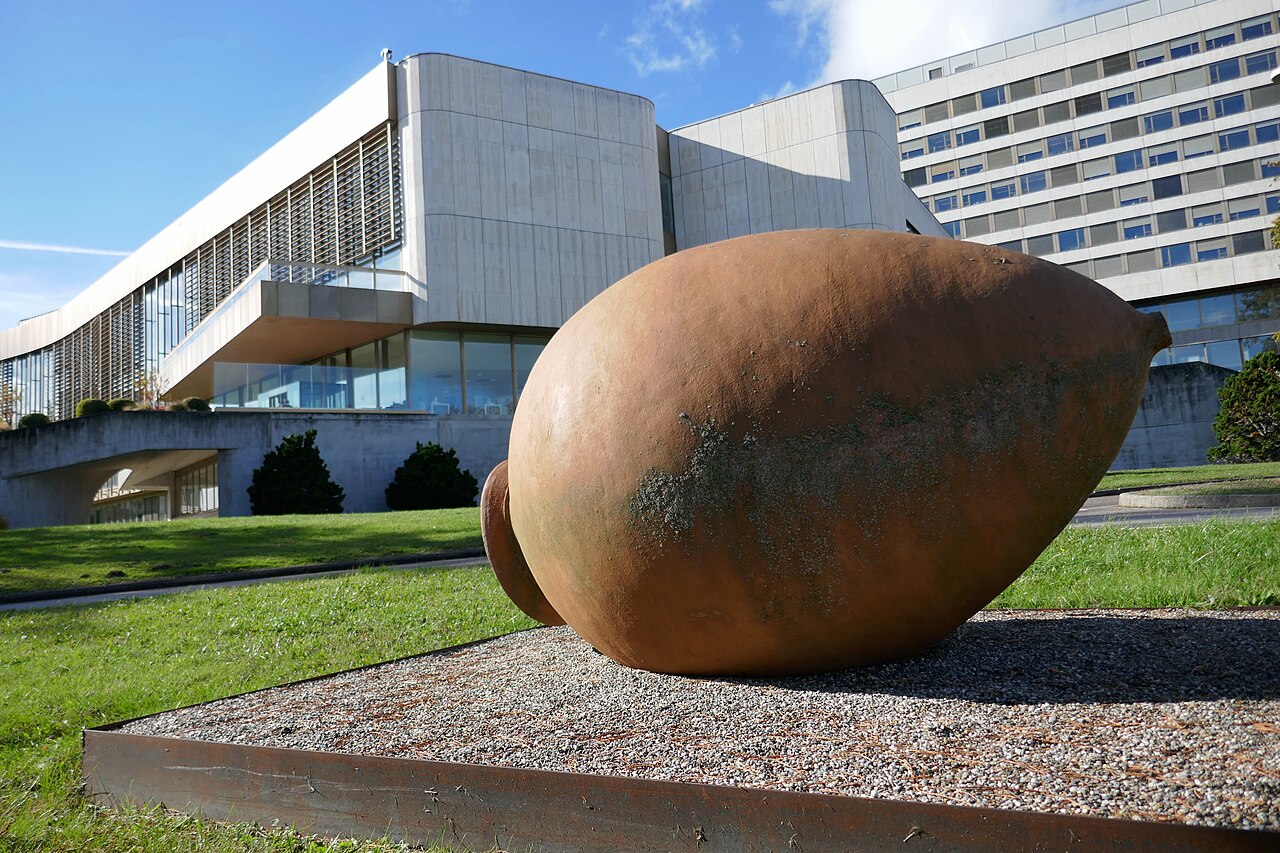
Archaeologists have found grape residue in clay jars near Tbilisi dating back to 6000 BC. The method has barely changed: grapes are crushed, poured with their skins, stems and pips into a beeswax-lined qvevri buried up to its neck in the earth, and sealed for months.
The constant underground temperature keeps fermentation slow and gentle. White grapes like Rkatsiteli and Kisi left on their skins become amber wines — tannic, nutty and deeply coloured.
How to taste
Ask for "qvevri wine" rather than a grape name, try an amber wine with walnut dishes, and taste Saperavi, the inky red that grows almost everywhere in Kakheti.
UNESCO added the qvevri method to its list of Intangible Cultural Heritage in 2013.